Informational article. This content does not replace medical, agricultural, nautical or other professional advice. Lunar data is approximate.
The phases of the moon have fascinated humanity since time immemorial, not only for their beauty in the sky, but also for the profound influence they seem to exert on life on Earth. Among the many effects attributed to them, one of the most studied and discussed is their impact on sleep. Many people claim they have more trouble falling asleep during a full moon or that their dreams are more intense and vivid during certain phases of the lunar cycle. Understanding how the phases of the moon affect our bodies is fundamental to improving our sleep hygiene and harnessing the energy of each moment. To stay informed about these changes, regularly consulting the lunar calendar at https://calendariolunar.co/es is an excellent practice that allows us to synchronize with the rhythms of nature.
How does the full moon affect insomnia?
The full moon is undoubtedly the phase most associated with disruptions in sleep patterns. Various studies have suggested that in the days leading up to and following the full moon, people tend to take longer to fall asleep and experience less deep sleep. This phenomenon is not just a popular belief; it has been observed that brain activity related to deep sleep decreases significantly during this phase. The moon's brightness plays a crucial role, but some experts suggest that there is an internal circalunar rhythm that persists even in total darkness. During the full moon, it is common to experience what many call lunar insomnia, characterized by a feeling of alertness or mental hyperactivity that makes it difficult to disconnect for rest.
The role of melatonin and moonlight
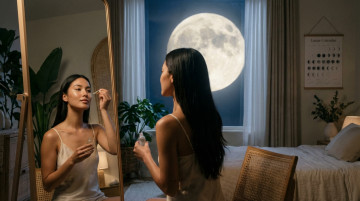
Melatonin is the hormone responsible for regulating our sleep-wake cycles. Its production increases when it gets dark, signaling to the body that it's time to rest. The intense light emitted by a full moon can interfere with this biological process. Although we live surrounded by artificial light today, our nervous system remains sensitive to changes in natural illumination. The presence of such a powerful light source in the night sky can slightly inhibit the release of melatonin, resulting in lighter and more fragmented sleep. In addition to light, the influence of electromagnetic fields and gravity is debated, although light sensitivity remains the most widely accepted explanation within the scientific community for why the phases of the moon alter our internal chemistry.
Rest during the new moon and darkness
At the opposite end of the cycle, we find the new moon. This phase is characterized by the absence of moonlight visible from Earth, creating ideal conditions for deep, restorative sleep. From an energetic and biological perspective, the new moon invites introspection and reflection. It's the time of the month when the body seems to more easily enter REM and slow-wave sleep stages, essential for physical and cognitive recovery. Many people report feeling more tired than usual during this phase, which is a signal from the body to slow down and allow for complete cellular regeneration. Taking advantage of this period to sleep in can have significant benefits for energy levels throughout the rest of the month.
Synchronization of the circadian rhythm
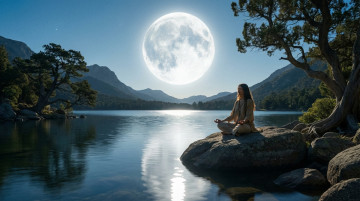
The circadian rhythm is our 24-hour biological clock, but it's embedded within longer cycles, such as the monthly cycle. Synchronizing our routines with the phases of the moon helps keep this clock in balance. During the new moon, with fewer external visual stimuli in the night sky, our brain can better process the day's information and release accumulated tension. It's an excellent time to establish new sleep habits, such as avoiding screens an hour before bed or practicing meditation. By aligning with the lunar calendar, we allow our nervous system to find its natural calm, reducing levels of cortisol, the stress hormone, which tends to be higher during phases of greater lunar activity.
Waxing crescent and energy accumulation
As the moon begins to wax in the sky, so does the energy we perceive. The waxing crescent is a phase of expansion and growth. In terms of sleep, this can translate to a more active and creative mind at night. It's not uncommon for brilliant ideas or solutions to problems to arise just before bedtime, which can sometimes delay rest. This is a stage where the body is absorbing energy, so it's vital to be mindful of your evening meals to avoid overloading your digestive system, which would directly affect the quality of your sleep. Maintaining a moderate exercise routine during the day will help channel this growing energy and ensure that, by nightfall, your body is tired enough to ignore the increasing light outside.
Waning crescent moon: the ideal time for detoxification and restful sleep
The waning moon represents a phase of elimination and cleansing. As the moonlight diminishes, the body enters a process of releasing what it no longer needs. It's a wonderful time to improve sleep quality by detoxifying your environment. Cleaning your bedroom, ventilating your space, and using relaxing essential oils like lavender can enhance the effects of this phase. Sleep during the waning moon is usually very restful. It's the period when it's easiest to wake up feeling refreshed, as the body isn't battling the overstimulation of the full moon nor immersed in the heaviness of the new moon. It's the perfect balance for consolidating memory and strengthening the immune system through uninterrupted rest.
Practical tips for sleeping better according to the lunar calendar
To navigate the different phases of the moon without disrupting our sleep, it's advisable to adopt certain personalized strategies. First, it's essential to know what phase we're in by regularly consulting the lunar calendar. If we know a full moon is approaching, we can prepare by darkening our room with blackout curtains or using an eye mask. This will counteract the external light and help the pineal gland produce melatonin efficiently. During phases of higher energy, such as the waxing crescent, it's wise to avoid heavy meals or intense arguments before bed, as emotional sensitivity tends to be heightened.
Sleep hygiene during the waxing crescent
During the waxing crescent moon, the mind tends to race. To counteract this, it's recommended to engage in activities that promote deep relaxation. Baths with magnesium salts, reading light books, or listening to ambient music can be great allies. It's also important to limit the consumption of caffeine and other stimulants from early afternoon onward, as the effects of these substances can be amplified by the moon's rising energy. Keeping a dream journal during this phase can also be very revealing, since the subconscious is more communicative and dreams, although they may be shorter, are often rich in symbolism.
The moon and dreams: why we have nightmares on a full moon
There is a historical and anecdotal correlation between the full moon and the intensity of dreams. Many people report more vivid, strange, or even nightmare-inducing dreams during a full moon. This is because sleep is lighter and we wake up more frequently, allowing us to recall our dreams more clearly. Additionally, the increased electromagnetic activity and light can keep the brain in a semi-alert state, facilitating the emergence of intense dream imagery. Instead of fearing these nightmares, we can view them as an opportunity to understand our inner fears, as the full moon acts as a mirror, amplifying what lies within us.
How to use the lunar calendar to organize your rest
The intelligent use of the lunar calendar isn't limited to agriculture or beauty; it's a holistic health tool. By scheduling our most demanding activities for the phases of highest energy and reserving moments of deep rest for the new moon and waning crescent, we optimize our biological performance. If you have an important meeting or an event that requires your full attention, make sure you've paid special attention to your sleep in the days leading up to the full moon. Self-awareness is key: observe how you feel each night and compare it to the current lunar phase. Over time, you'll notice clear patterns that will allow you to anticipate and adjust your environment to ensure the best possible rest.
Myths about nighttime behavior and lunar influence
Throughout history, many myths have arisen about how the moon affects us, from sleepwalking to drastic personality changes. While it's true that the moon influences the tides and many living beings, in humans the effect is more subtle and mediated by our circadian rhythms. We don't become different beings, but rather our sensitivity is heightened. The myth that a full moon causes madness or erratic behavior is based on sleep deprivation; a person who doesn't sleep well for several nights in a row is more prone to irritability and making mistakes. Therefore, rather than a magical effect, it's a physiological effect derived from the quality of nighttime rest.
The importance of regularity and personal observation
Each individual is unique and may react differently to the phases of the moon. While some are extremely sensitive to the full moon, others barely notice any changes. The key to lasting well-being is consistent self-observation. Keeping track of your sleep patterns in relation to the lunar calendar will give you valuable information about your own body. By integrating this knowledge with healthy habits, such as maintaining regular schedules and a suitable sleep environment, you can transform your relationship with the night. The moon is not an enemy of rest, but a natural clock that invites us to flow with the cycles of life, reminding us that after every period of activity and light, there is always a necessary moment of darkness and silence for healing and renewal.